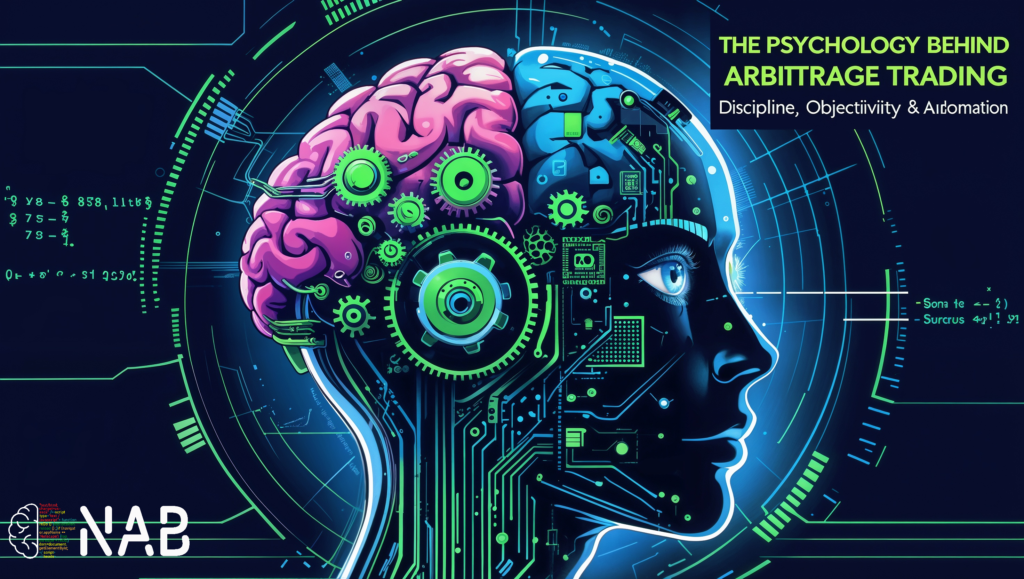
The Psychology Behind Arbitrage Trading: Discipline, Objectivity & Automation

NeuralArB Psychology in Arbitrage Trading

In crypto arbitrage trading, where milliseconds define profit or loss, most focus on bots and data. But there’s a hidden edge: trader psychology. Emotional bias—fear, greed, overconfidence—can sabotage even the most precise arbitrage systems. This guide breaks down the psychological challenges in crypto arbitrage and reveals proven techniques to stay objective, disciplined, and profitable—especially when using automated tools like NeuralArB.


1. Emotional Traps in Arbitrage Trading


1.1 The Illusion of Low Risk

Crypto arbitrage is market-neutral, but not risk-free. Many traders:

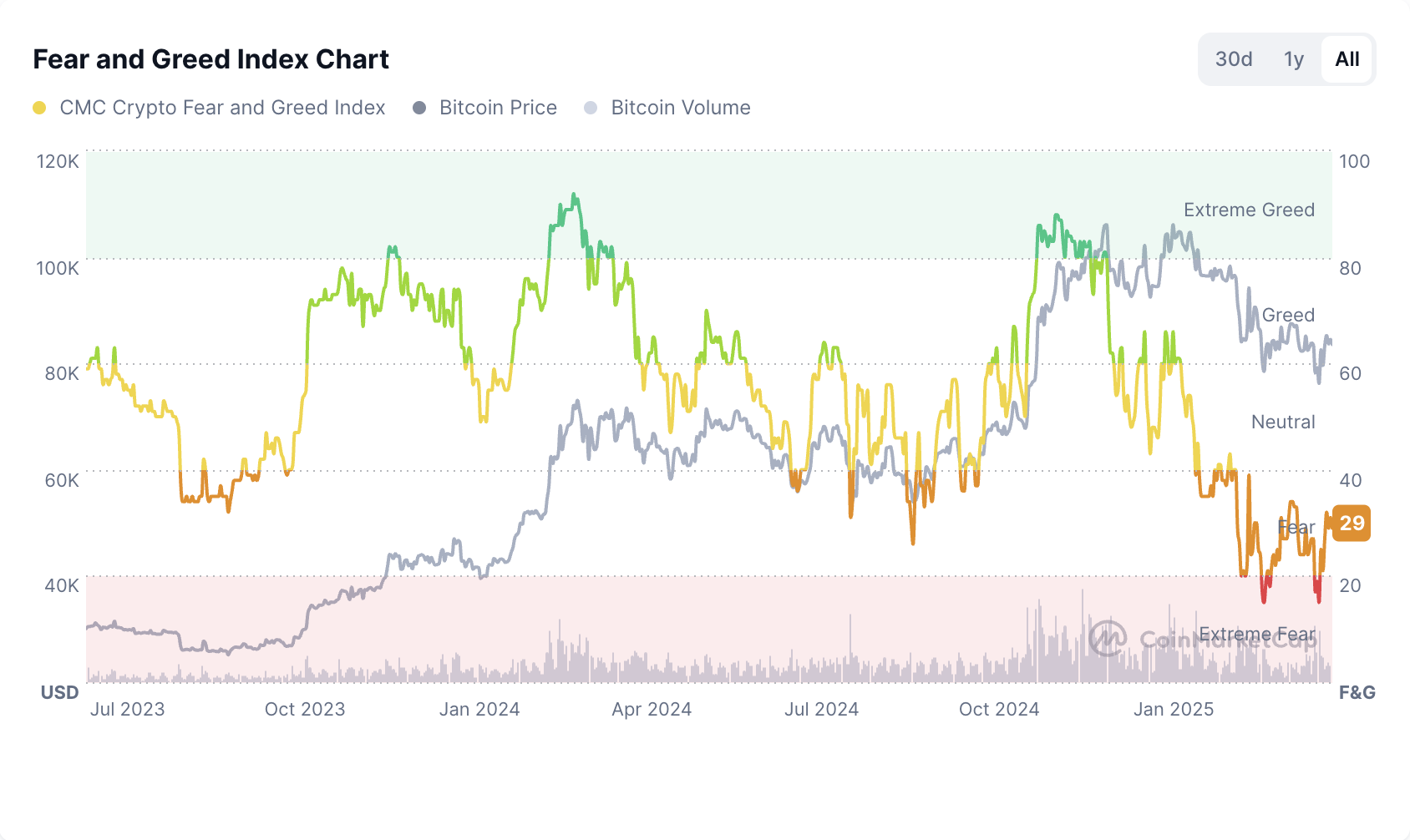
1.2 The Fear-Greed Loop

  • Fear causes hesitation during volatile price swings.
  • Greed tempts deviation from predefined strategies.
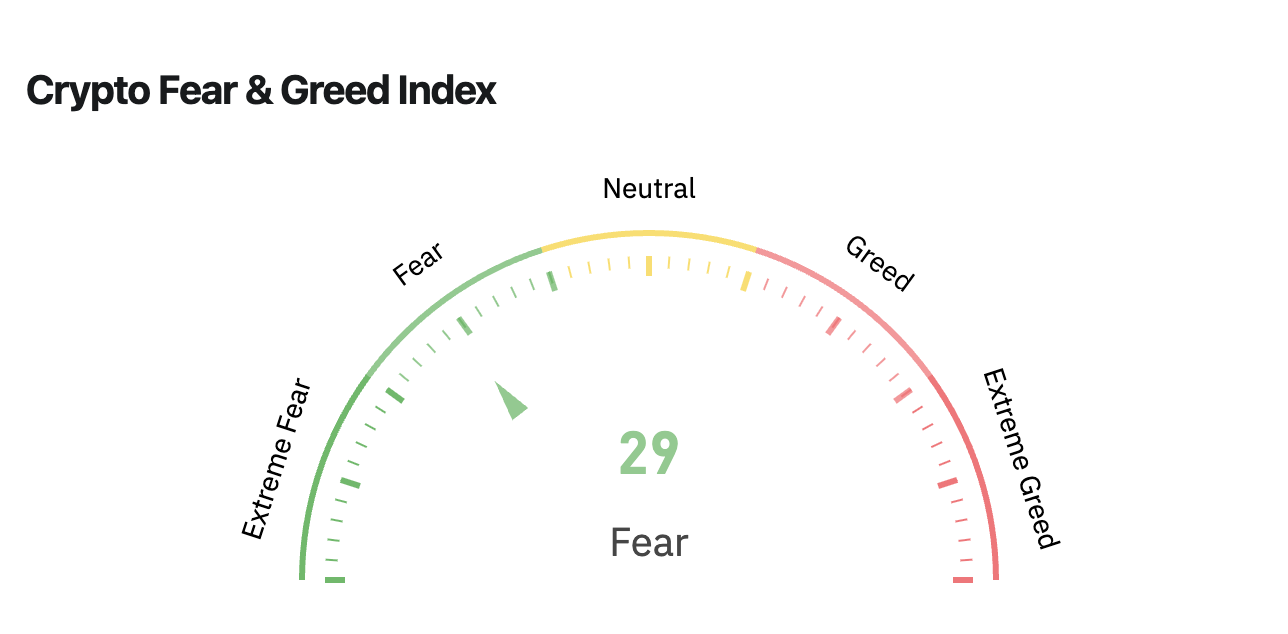
NeuralArB Crypto Fear and Greed


1.3 Revenge Trading

Chasing losses after minor setbacks often leads to emotional, irrational decisions that amplify risk.


2. Psychological Challenges for Arbitrage Traders


2.1 Overconfidence Bias

Early wins can build false confidence, encouraging risky trades without sufficient analysis.


2.2 Confirmation Bias

Traders may selectively interpret data to confirm pre-existing beliefs—dangerous in fast-moving markets.


2.3 Blind Trust in Bots

Automation is powerful but requires oversight. Relying entirely on bots can dull judgment and ignore anomalies.
Read more: Sentiment Analysis for Arbitrage Trading Decisions


3. How to Build Psychological Resilience


3.1 Structure a Trading Routine

  • Define trading sessions and rest periods.
  • Conduct weekly reviews to assess mental and strategic performance.

3.2 Practice Mindfulness

  • Use journaling and meditation to increase emotional awareness. (Day Trading Meditation)
  • Take a pause before overriding automated decisions. 

3.3 Be Data-Driven

  • Let KPIs—not emotions—drive your decisions.
  • Use automated alert systems and dashboards for real-time objective insights.


4. Habits for Sustainable Discipline


4.1 Stick to a Written Plan

Document every entry/exit rule, risk level, and stop-loss threshold. Review weekly.


4.2 Use Mental Checklists

Pre-trade and post-trade checklists help remove emotion from decision-making. Include mood checks.


4.3 Keep a Trading Journal

Record not just trades but emotional states and triggers. Review for behavioral patterns.


4.4 Join a Trading Community

Accountability through mentors or groups can prevent emotional isolation and increase discipline.

(Follow Us on Facebook)


5. Smart Automation with Human Oversight


Even tools like NeuralArB, which optimize arbitrage trading with speed and precision, require regular monitoring:

  • Review bot performance weekly.
  • Backtest updates in a simulation before live deployment.
  • Periodically re-evaluate your strategy’s market fit.

NeuralArB helped me detect emotional overrides and improved my discipline by 30% in Q1.” – Pro Arbitrage Trader Amin Le Zeipan


Download Your Free Arbitrage Trader’s Discipline Checklist


A simple, printable PDF to help you stay emotionally neutral and performance-focused.

📥 Download Checklist (PDF)


📊 View the Infographic: Mastering Trading Psychology


A quick-glance visual guide to mental discipline in crypto arbitrage.

📥 Download Infographic (PNG)


💬 Frequently Asked Questions (FAQ)

What role does psychology play in arbitrage trading?

A huge one. Emotional control often matters more than technical setup. Traders who master their mindset are more consistent and profitable.

Yes. By automating execution, bots reduce emotional interference. However, oversight and tuning are still essential.

Absolutely. A journal helps you track emotional triggers and behavioral patterns—crucial for avoiding repeated mistakes.

If you’re frequently increasing position sizes after wins without proper risk assessment, that’s a red flag.

Checklists help reinforce discipline and ensure emotional neutrality—especially under stress or after a loss.


Conclusion


Crypto arbitrage success isn’t just about algorithms—it’s about mastering your mind. With strong mental habits, structured routines, and tools like NeuralArB, traders can build consistent, scalable, and emotionally resilient strategies.


🚀 Ready to trade smarter?

Explore NeuralArB – The AI-Powered Arbitrage Bot for Crypto Pros

Mr.Q

Mr. Q is the Co-Founder & CEO of NeuralArB, where he spearheads the company’s strategic vision and growth initiatives. With a profound passion for blockchain technology, cryptocurrency trading, and artificial intelligence, Mr. Q has positioned NeuralArB as a leader in the AI-driven arbitrage trading space. Follow Mr. Q on Twitter: @LuisAlvaresQ

The Psychology Behind Arbitrage Trading: Discipline, Objectivity & Automation

NeuralArB Psychology in Arbitrage Trading

In crypto arbitrage trading, where milliseconds define profit or loss, most focus on bots and data. But there’s a hidden edge: trader psychology. Emotional bias—fear, greed, overconfidence—can sabotage even the most precise arbitrage systems. This guide breaks down the psychological challenges in crypto arbitrage and reveals proven techniques to stay objective, disciplined, and profitable—especially when using automated tools like NeuralArB.


1. Emotional Traps in Arbitrage Trading


1.1 The Illusion of Low Risk

Crypto arbitrage is market-neutral, but not risk-free. Many traders:

1.2 The Fear-Greed Loop

  • Fear causes hesitation during volatile price swings.
  • Greed tempts deviation from predefined strategies.

NeuralArB Crypto Fear and Greed


1.3 Revenge Trading

Chasing losses after minor setbacks often leads to emotional, irrational decisions that amplify risk.


2. Psychological Challenges for Arbitrage Traders


2.1 Overconfidence Bias

Early wins can build false confidence, encouraging risky trades without sufficient analysis.


2.2 Confirmation Bias

Traders may selectively interpret data to confirm pre-existing beliefs—dangerous in fast-moving markets.


2.3 Blind Trust in Bots

Automation is powerful but requires oversight. Relying entirely on bots can dull judgment and ignore anomalies.
Read more: Sentiment Analysis for Arbitrage Trading Decisions


3. How to Build Psychological Resilience


3.1 Structure a Trading Routine

  • Define trading sessions and rest periods.
  • Conduct weekly reviews to assess mental and strategic performance.

3.2 Practice Mindfulness

  • Use journaling and meditation to increase emotional awareness. (Day Trading Meditation)
  • Take a pause before overriding automated decisions. 

3.3 Be Data-Driven

  • Let KPIs—not emotions—drive your decisions.
  • Use automated alert systems and dashboards for real-time objective insights.


4. Habits for Sustainable Discipline


4.1 Stick to a Written Plan

Document every entry/exit rule, risk level, and stop-loss threshold. Review weekly.


4.2 Use Mental Checklists

Pre-trade and post-trade checklists help remove emotion from decision-making. Include mood checks.


4.3 Keep a Trading Journal

Record not just trades but emotional states and triggers. Review for behavioral patterns.


4.4 Join a Trading Community

Accountability through mentors or groups can prevent emotional isolation and increase discipline.

(Follow Us on Facebook)


5. Smart Automation with Human Oversight


Even tools like NeuralArB, which optimize arbitrage trading with speed and precision, require regular monitoring:

  • Review bot performance weekly.
  • Backtest updates in a simulation before live deployment.
  • Periodically re-evaluate your strategy’s market fit.

NeuralArB helped me detect emotional overrides and improved my discipline by 30% in Q1.” – Pro Arbitrage Trader Amin Le Zeipan


Download Your Free Arbitrage Trader’s Discipline Checklist


A simple, printable PDF to help you stay emotionally neutral and performance-focused.

📥 Download Checklist (PDF)


📊 View the Infographic: Mastering Trading Psychology


A quick-glance visual guide to mental discipline in crypto arbitrage.

📥 Download Infographic (PNG)


💬 Frequently Asked Questions (FAQ)

What role does psychology play in arbitrage trading?

A huge one. Emotional control often matters more than technical setup. Traders who master their mindset are more consistent and profitable.

Yes. By automating execution, bots reduce emotional interference. However, oversight and tuning are still essential.

Absolutely. A journal helps you track emotional triggers and behavioral patterns—crucial for avoiding repeated mistakes.

If you’re frequently increasing position sizes after wins without proper risk assessment, that’s a red flag.

Checklists help reinforce discipline and ensure emotional neutrality—especially under stress or after a loss.


Conclusion


Crypto arbitrage success isn’t just about algorithms—it’s about mastering your mind. With strong mental habits, structured routines, and tools like NeuralArB, traders can build consistent, scalable, and emotionally resilient strategies.


🚀 Ready to trade smarter?

Explore NeuralArB – The AI-Powered Arbitrage Bot for Crypto Pros

Mr.Q

Mr. Q is the Co-Founder & CEO of NeuralArB, where he spearheads the company’s strategic vision and growth initiatives. With a profound passion for blockchain technology, cryptocurrency trading, and artificial intelligence, Mr. Q has positioned NeuralArB as a leader in the AI-driven arbitrage trading space. Follow Mr. Q on Twitter: @LuisAlvaresQ

The Psychology Behind Arbitrage Trading: Discipline, Objectivity & Automation

NeuralArB Psychology in Arbitrage Trading

In crypto arbitrage trading, where milliseconds define profit or loss, most focus on bots and data. But there’s a hidden edge: trader psychology. Emotional bias—fear, greed, overconfidence—can sabotage even the most precise arbitrage systems. This guide breaks down the psychological challenges in crypto arbitrage and reveals proven techniques to stay objective, disciplined, and profitable—especially when using automated tools like NeuralArB.


1. Emotional Traps in Arbitrage Trading


1.1 The Illusion of Low Risk

Crypto arbitrage is market-neutral, but not risk-free. Many traders:

1.2 The Fear-Greed Loop

  • Fear causes hesitation during volatile price swings.
  • Greed tempts deviation from predefined strategies.

NeuralArB Crypto Fear and Greed


1.3 Revenge Trading

Chasing losses after minor setbacks often leads to emotional, irrational decisions that amplify risk.


2. Psychological Challenges for Arbitrage Traders


2.1 Overconfidence Bias

Early wins can build false confidence, encouraging risky trades without sufficient analysis.


2.2 Confirmation Bias

Traders may selectively interpret data to confirm pre-existing beliefs—dangerous in fast-moving markets.


2.3 Blind Trust in Bots

Automation is powerful but requires oversight. Relying entirely on bots can dull judgment and ignore anomalies.
Read more: Sentiment Analysis for Arbitrage Trading Decisions


3. How to Build Psychological Resilience


3.1 Structure a Trading Routine

  • Define trading sessions and rest periods.
  • Conduct weekly reviews to assess mental and strategic performance.

3.2 Practice Mindfulness

  • Use journaling and meditation to increase emotional awareness. (Day Trading Meditation)
  • Take a pause before overriding automated decisions. 

3.3 Be Data-Driven

  • Let KPIs—not emotions—drive your decisions.
  • Use automated alert systems and dashboards for real-time objective insights.


4. Habits for Sustainable Discipline


4.1 Stick to a Written Plan

Document every entry/exit rule, risk level, and stop-loss threshold. Review weekly.


4.2 Use Mental Checklists

Pre-trade and post-trade checklists help remove emotion from decision-making. Include mood checks.


4.3 Keep a Trading Journal

Record not just trades but emotional states and triggers. Review for behavioral patterns.


4.4 Join a Trading Community

Accountability through mentors or groups can prevent emotional isolation and increase discipline.

(Follow Us on Facebook)


5. Smart Automation with Human Oversight


Even tools like NeuralArB, which optimize arbitrage trading with speed and precision, require regular monitoring:

  • Review bot performance weekly.
  • Backtest updates in a simulation before live deployment.
  • Periodically re-evaluate your strategy’s market fit.

NeuralArB helped me detect emotional overrides and improved my discipline by 30% in Q1.” – Pro Arbitrage Trader Amin Le Zeipan


Download Your Free Arbitrage Trader’s Discipline Checklist


A simple, printable PDF to help you stay emotionally neutral and performance-focused.

📥 Download Checklist (PDF)


📊 View the Infographic: Mastering Trading Psychology


A quick-glance visual guide to mental discipline in crypto arbitrage.

📥 Download Infographic (PNG)


💬 Frequently Asked Questions (FAQ)

What role does psychology play in arbitrage trading?

A huge one. Emotional control often matters more than technical setup. Traders who master their mindset are more consistent and profitable.

Yes. By automating execution, bots reduce emotional interference. However, oversight and tuning are still essential.

Absolutely. A journal helps you track emotional triggers and behavioral patterns—crucial for avoiding repeated mistakes.

If you’re frequently increasing position sizes after wins without proper risk assessment, that’s a red flag.

Checklists help reinforce discipline and ensure emotional neutrality—especially under stress or after a loss.


Conclusion


Crypto arbitrage success isn’t just about algorithms—it’s about mastering your mind. With strong mental habits, structured routines, and tools like NeuralArB, traders can build consistent, scalable, and emotionally resilient strategies.


🚀 Ready to trade smarter?

Explore NeuralArB – The AI-Powered Arbitrage Bot for Crypto Pros

Mr.Q

Mr. Q is the Co-Founder & CEO of NeuralArB, where he spearheads the company’s strategic vision and growth initiatives. With a profound passion for blockchain technology, cryptocurrency trading, and artificial intelligence, Mr. Q has positioned NeuralArB as a leader in the AI-driven arbitrage trading space. Follow Mr. Q on Twitter: @LuisAlvaresQ

Still have questions, contact us:

© 2026 NAB CONSULTANCY LTD. All right reserved.

These materials are for general information purposes only and are not investment advice or a recommendation or solicitation to buy, sell or hold any cryptoasset or to engage in any specific trading strategy. Some crypto products and markets are unregulated, and you may not be protected by government compensation and/or regulatory protection schemes. The unpredictable nature of the cryptoasset markets can lead to loss of funds. Tax may be payable on any return and/or on any increase in the value of your cryptoassets and you should seek independent advice on your taxation position.

All trademarks, logos, and brand names are the property of their respective owners. All company, product, and service names used in this website are for identification purposes only. Use of these names, trademarks, and brands does not imply endorsement.

NAB does not provide investment or brokerage services. All cryptocurrency spot, margin, and futures products are offered by third-party platforms. Products and services availability varies by country.

Past performance, whether actual or indicated by historical or simulated tests of strategies, is no guarantee of future performance or success. There is a possibility that you may sustain a loss equal to or greater than your entire investment regardless of which asset class you trade (i.e. cryptocurrency); therefore, you should not invest or risk money that you cannot afford to lose. Online trading is not suitable for all investors. Before trading any asset class, customers should review NFA and CFTC advisories, and other relevant disclosures. System access, trade placement, and execution may be delayed or fail due to market volatility and volume, quote delays, system and software errors, Internet traffic, outages and other unforeseen factors.

Still have questions, contact us:

© 2026 NAB CONSULTANCY LTD. All right reserved.

These materials are for general information purposes only and are not investment advice or a recommendation or solicitation to buy, sell or hold any cryptoasset or to engage in any specific trading strategy. Some crypto products and markets are unregulated, and you may not be protected by government compensation and/or regulatory protection schemes. The unpredictable nature of the cryptoasset markets can lead to loss of funds. Tax may be payable on any return and/or on any increase in the value of your cryptoassets and you should seek independent advice on your taxation position.

All trademarks, logos, and brand names are the property of their respective owners. All company, product, and service names used in this website are for identification purposes only. Use of these names, trademarks, and brands does not imply endorsement.

NAB does not provide investment or brokerage services. All cryptocurrency spot, margin, and futures products are offered by third-party platforms. Products and services availability varies by country.

Past performance, whether actual or indicated by historical or simulated tests of strategies, is no guarantee of future performance or success. There is a possibility that you may sustain a loss equal to or greater than your entire investment regardless of which asset class you trade (i.e. cryptocurrency); therefore, you should not invest or risk money that you cannot afford to lose. Online trading is not suitable for all investors. Before trading any asset class, customers should review NFA and CFTC advisories, and other relevant disclosures. System access, trade placement, and execution may be delayed or fail due to market volatility and volume, quote delays, system and software errors, Internet traffic, outages and other unforeseen factors.

Still have questions, contact us:

© 2026 NAB CONSULTANCY LTD. All right reserved.

These materials are for general information purposes only and are not investment advice or a recommendation or solicitation to buy, sell or hold any cryptoasset or to engage in any specific trading strategy. Some crypto products and markets are unregulated, and you may not be protected by government compensation and/or regulatory protection schemes. The unpredictable nature of the cryptoasset markets can lead to loss of funds. Tax may be payable on any return and/or on any increase in the value of your cryptoassets and you should seek independent advice on your taxation position.

All trademarks, logos, and brand names are the property of their respective owners. All company, product, and service names used in this website are for identification purposes only. Use of these names, trademarks, and brands does not imply endorsement.

NAB does not provide investment or brokerage services. All cryptocurrency spot, margin, and futures products are offered by third-party platforms. Products and services availability varies by country.

Past performance, whether actual or indicated by historical or simulated tests of strategies, is no guarantee of future performance or success. There is a possibility that you may sustain a loss equal to or greater than your entire investment regardless of which asset class you trade (i.e. cryptocurrency); therefore, you should not invest or risk money that you cannot afford to lose. Online trading is not suitable for all investors. Before trading any asset class, customers should review NFA and CFTC advisories, and other relevant disclosures. System access, trade placement, and execution may be delayed or fail due to market volatility and volume, quote delays, system and software errors, Internet traffic, outages and other unforeseen factors.

bc1q8ea3653z0w25z6grk2uxnw6zpgsuc9v9l9c3qt

Only use this insured address for BTC on the Bitcoin network. Do not send Ordinals. Lost funds cannot be recovered.